




Most students blame skill. Sometimes they blame motivation. Rarely do they blame location.
Yet where you write often decides how clearly you think. Essays do not happen in a vacuum. They happen inside noisy rooms, crowded libraries, busy cafés, or quiet coastal towns.
That difference matters more than it seems.
How does location quietly shape academic writing?
Writing is thinking on paper. Thinking needs space.
When surroundings are loud or chaotic, the brain stays alert instead of reflective. That state drains energy fast, especially during long assignments.
What changes when the environment calms down?
Focus stretches longer. Thoughts connect faster. Drafting stops feeling forced.
This is why many students notice better writing results outside busy cities.
What is cognitive load and why does it spike in busy places?
Cognitive load is how much information your brain processes at once.
Why does it overload so quickly?
- constant background noise
- visual clutter
- people moving nearby
- notifications breaking attention
Each distraction adds weight. Eventually, outlining a simple argument feels exhausting.
How do calm towns reduce that pressure?
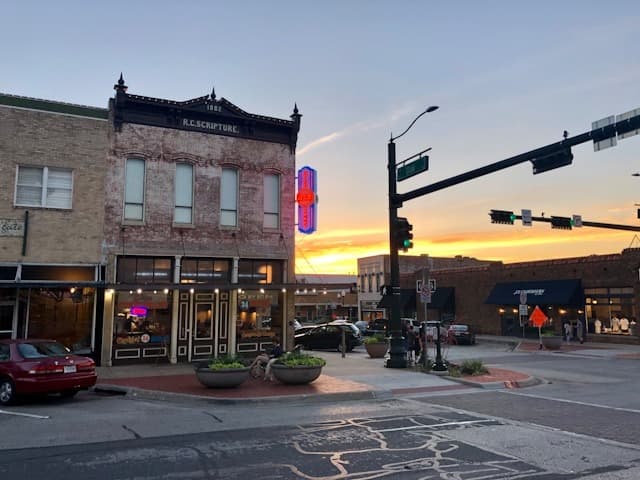
Small towns like Crisfield offer fewer competing signals.
- quieter streets
- slower daily rhythm
- fewer interruptions
A student writing a sociology paper reported finishing an outline in one sitting after relocating from a packed city apartment to a coastal rental. Same task. Different setting.
Can calm surroundings improve creativity in academic writing?
Good essays are not just correct. They are clear, structured, and original.
Creativity helps with:
- framing arguments
- connecting sources
- writing stronger analysis
What happens to ideas in peaceful settings?
When the brain is not defending itself from noise, it shifts into reflective mode.
Why does this matter?
- ideas surface more naturally
- paragraphs connect logically
- conclusions feel earned, not rushed
Many students report better reflective writing near water. Walking before writing often unlocks insights that hours of forced drafting never do.
Why do deadlines feel heavier in crowded places?
Busy environments amplify pressure.
- constant comparison
- interruptions breaking momentum
- guilt from unfinished work
This creates panic writing, which leads to excessive editing later.
How do quiet places change deadline behavior?
- longer uninterrupted sessions
- clearer daily routines
- better separation between work and rest
One graduate student completed a literature review ahead of schedule while staying in a low traffic town. Fewer distractions meant fewer late night fixes.
Why do small towns support focused study better than cities?
Not luxury. Not isolation. Balance.
- predictable pace
- access to nature
- limited sensory overload
How does this help academic routines?
Why do routines form faster?
- mornings feel calmer
- time blocks stay intact
- focus sessions last longer
You are not fighting the environment. You are working with it.
How does this connect to traveling while studying?
Studying while traveling forces intentional planning. Location becomes a strategy instead of a background detail.
This builds on earlier discussions about balancing travel and essay writing by adding a key layer: environment quality.
What does research based insight show?
According to Writing Metier data, students working in low distraction environments report improved drafting speed, clearer argument structure, and reduced revision time compared to those writing in high noise settings.
That pattern appears consistently across subjects.
What questions should students consider when choosing a study location?
- Can I focus here for hours?
- Does this space reduce mental pressure?
- Can I maintain a routine without effort?
Why is location part of smart academic planning?
Strong writing is not only about effort. It is about conditions.
When surroundings support thinking, essays stop feeling like battles and start feeling manageable.
Sometimes, the fastest way to write better is not pushing harder, but choosing a place that lets your mind breathe.